
Returns From Several Online Stores in One Place
Running several stores on different platforms? RetJet connects each one separately and gathers every return into a single list, with its own rules for each.







You have more than one store. Maybe they’re separate brands, maybe you sell into several markets, or maybe there’s a store left over from an acquisition running on different software than the rest. Each one has its own admin panel and its own way of handling returns.
What the problem is
With one store, the return process lives in the head of the person running it. With several, it turns out every platform does it differently: different status names, a different place in the panel, a different range of what you can even do.
From the customer’s perspective, it looks even worse. Buyers don’t know your stores run on different software, so they expect the same experience from each one. Instead they get different forms, different deadlines, and different response times, depending on where they landed.
On top of that comes the most costly part: there’s no single place showing how many cases are waiting. Checking that means logging into every panel one after another.
How this looks in RetJet
You add each store as a separate sales channel and connect it the way that fits its technology. Configuration differs between platforms, because their APIs differ, but it’s a one-time step.
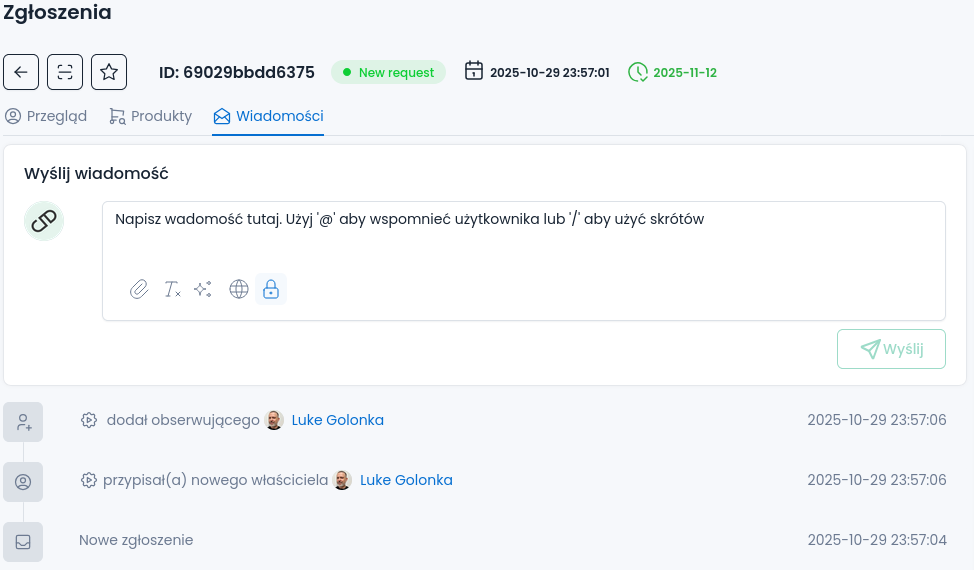
From that point on, you work from a single list of requests. Each one shows which store it came from, what stage it’s at, and whether the customer’s package is already on its way.
Different technologies, the same process
RetJet connects with the platforms most commonly used by online stores:
- Shopify, WooCommerce, PrestaShop, Magento 2, Shoper, IdoSell as store software,
- BaseLinker, Apilo, Linker Cloud, Sellasist, SellRocket, xSale as systems tying sales together across several channels,
- Allegro as a marketplace, alongside your own stores.
Check the full list of integrations to see whether all your stores are on it.
If one of them runs on software we don’t support, it doesn’t have to stay outside the system. Basic integration provides a return form without connecting to anything: the customer enters the order details themselves, and the request lands on the same list as the rest.
Each store can have its own rules
A shared dashboard doesn’t mean every store has to work identically. For each channel you set, among other things, its own return deadline and warranty-claim deadline, and which order states a request is even accepted in.
That way, a clothing store where a 30-day return window is the norm and an electronics store where the purchase date and warranty matter can sit side by side without stretching one process to fit the other.
What changes in day-to-day work
One login instead of several. Cases from all your stores are in one place, so reviewing backlogs takes a moment instead of a round trip through every panel.
The same form for every customer. Buyers get the same experience no matter which of your stores they bought from.
The warehouse sees packages in advance. The return shipment is linked to the request and the store before it arrives, so nobody has to open it to work out what it is.
Adding a new store, not rolling one out from scratch. Another sales channel means configuring a connection, not inventing a new returns process and explaining it to the team.