
What Is RMA? Understanding the Return Process in Online Stores

RMA stands for Return Merchandise Authorization: the seller’s approval to accept a returned product. The same term names the whole process in which a store receives a return or warranty claim request, approves it and only then expects the parcel from the customer.
You will see the abbreviation in online stores, in electronics service centres and on documents packed with a return parcel. Below we explain what it means in each of these places and how RMA works in a store’s daily routine.
What does RMA stand for?
RMA is short for Return Merchandise Authorization. Manufacturers and business-to-business sellers also use Return Material Authorization. Both mean the same thing: the seller’s consent to take back goods.
Other names for the same idea:
- RA, return authorization,
- RGA, return goods authorization, common in distribution and manufacturing.
In electronics, “RMA” often also means the department that handles warranty claims and repairs. When a seller writes “send the product to RMA”, they mean that team, not a separate company.
RMA number, RMA form and RMA document
The abbreviation appears in three places that are easy to confuse:
- An RMA number identifies one return or warranty claim case. It links the customer’s request, the parcel and the store’s decision. How a store assigns it and what happens next is covered in the RMA procedure step by step.
- An RMA form is the request the customer fills in: order number, product and reason for the return. A template you can download is in return form template in PDF and Word.
- An RMA document is a printout or slip with the case number that the customer puts in the parcel, so the warehouse knows what it is about.
RMA is a process, not only software
RMA is a set of rules that decides how a store accepts and handles returns: who approves a return, by when and on what terms. A store can run it by hand, with a spreadsheet and an inbox, or in RMA software.
The software organises the steps. The rules stay with the store.
How return authorization works
Return authorization is the seller’s formal acceptance of a return before the product is sent back. For example, a customer wants to return a sweater that is too large. They report the return, usually through an online form, and the store accepts it.
What the store accepts depends on its return policy and on the law. In the EU, consumers can withdraw from an online purchase within 14 days without giving a reason, and many stores offer longer periods, such as 30 days.
Authorization protects the store from unexpected returns: the warehouse knows in advance which parcel is coming and what it concerns. The full sequence, from request to refund, is in the RMA procedure step by step.
What does RMA mean in shipping?
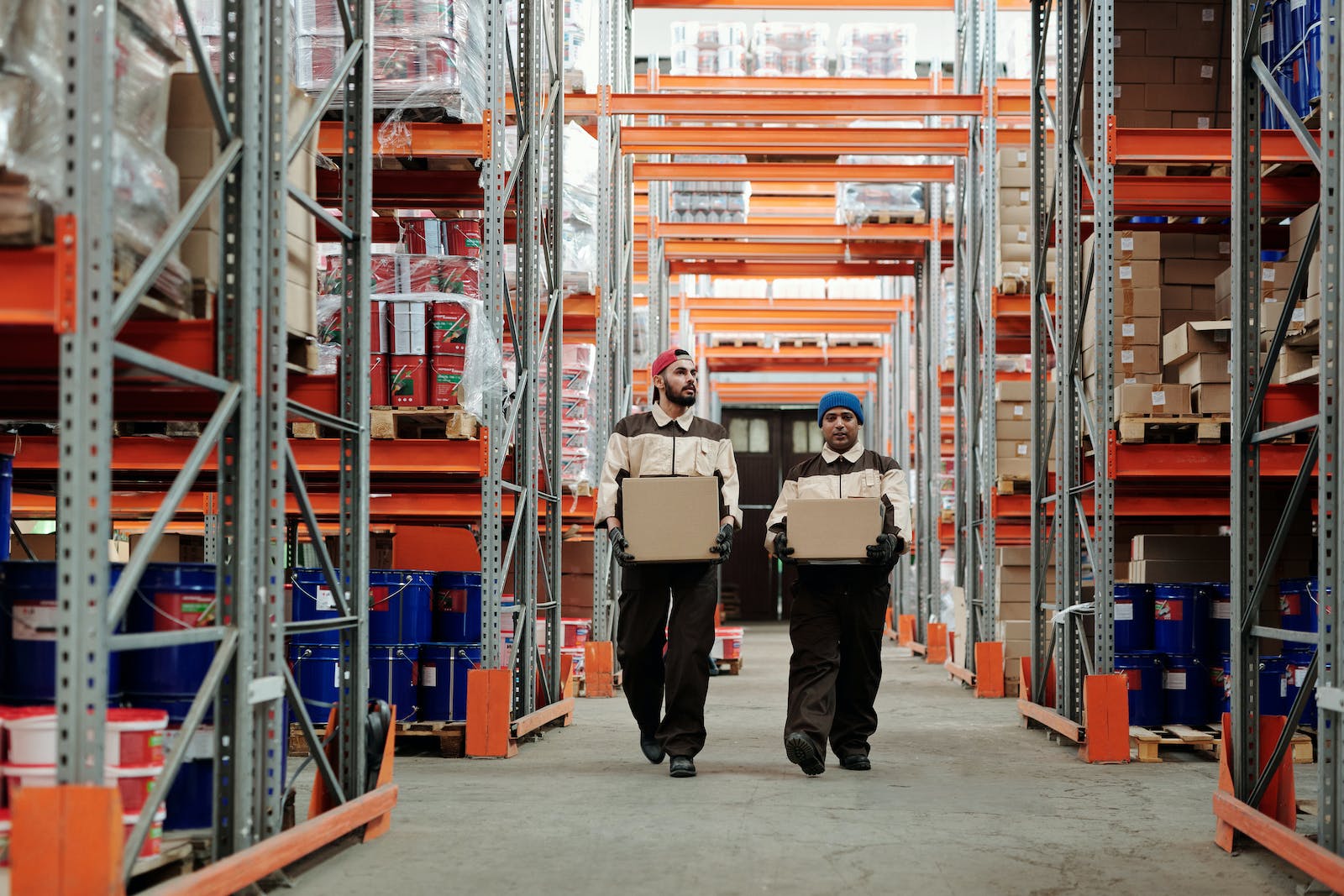
In shipping, an RMA number is what connects a return parcel to its case. The customer writes it on the parcel or includes the RMA document, and the warehouse uses it to match the parcel to the request when it arrives. Without it, staff open the box and search for the order by hand.
Manual RMA vs. RMA software
Without dedicated software, the biggest problem is identifying parcels that arrive at the warehouse. A warehouse gets dozens of return parcels a day, and staff do not know who sent them or which order they belong to.
RetJet is RMA software for online stores: it collects returns and warranty claims from every connected sales channel in one dashboard, from the customer’s form to warehouse receiving. The customer gets a simple return form, and the warehouse finds the request by scanning the shipment label, so a parcel is matched to its request before anyone opens it.
Returns and warranty claims are handled separately, because different deadlines apply. We describe them on two pages: returns management system and warranty claims management system.
What a good RMA system should have
- One place for every request, whatever the sales channel: your store, marketplaces, other platforms. See one dashboard for all RMA requests.
- Parcel identification and tracking, from drop-off to warehouse receiving.
- Status updates for the customer. A customer who sent back a sweater should hear when the warehouse receives it and when the store decides.
- Automation of repeated steps, such as assigning requests to team members. See returns workflow automation.
- Reports on what comes back and why.
How to check these features with a specific vendor before you pay for a subscription is covered in how to choose return and complaint management software.
Common problems in RMA handling
With manual handling, the most common problem is slow return processing. The customer waits for the refund longer than the store promised and judges the whole purchase by it.
The second is errors in recording returns. A return logged in the wrong place, or not at all, means confusion in the warehouse and extra cost.
RMA software does not remove these problems by itself, but it organises the process: the return status changes in one place, and the customer sees progress without calling the store.
FAQ
What is RMA? RMA (Return Merchandise Authorization) is the seller’s approval to accept a returned product. The same term names the whole process of handling returns and warranty claims in a store.
What does RMA stand for? Return Merchandise Authorization, less often Return Material Authorization. In electronics, RMA is often also the name of the warranty and repair department.
What is an RMA number? An identifier of one return or warranty claim case, assigned by the seller. Details are in the RMA procedure step by step.
Is RMA the same as RGA or RA? Yes, in practice. RA (return authorization) and RGA (return goods authorization) describe the same approval of a return; which term a company uses is mostly a matter of industry habit.
Is RMA the same as a warranty claim? No. RMA covers both returns, where the customer withdraws from the purchase, and warranty claims for faulty products. They go through similar steps, but have different deadlines.
Summary
RMA is the seller’s authorization of a return and the name of the whole process in which a store accepts, checks and settles returns and warranty claims. The RMA number, form and document are parts of the same process.
If you handle returns by hand, start by checking where you lose the most time: at the request, at parcel identification or at the decision. How RetJet organises each of these steps is shown on the RetJet features page.