
Electronics Returns: How to Process Them
A returned T-shirt needs a look and a fold. A returned pair of headphones needs a test, a check that it is the unit you sold, and often a decision on whether it is still a new product. That is why electronics returns take longer to process than most other categories, and why a process built for fashion returns tends to break on them.
This guide walks through processing electronics returns and warranty claims step by step, from the customer’s first report to the decision on what goes back on sale.
Return or warranty claim: separate them at the start
In electronics, two different cases arrive through the same door:
- A return (in the EU, the 14-day right of withdrawal): the customer does not want the product. It does not need to be faulty.
- A warranty claim: the device does not work, stopped working, or does not match the description. In the EU, the seller’s legal guarantee for consumer goods lasts at least two years, and a commercial warranty from the manufacturer may run alongside it.
They have different deadlines, different questions and different outcomes, so treat them as separate request types from the first form. A device that “stopped working after a month” sent through a return form ends up being handled under the wrong rules.
The warranty claim process step by step covers the claim path in more detail.
Collect the details electronics cases need
The first report decides how much you will have to chase later. For electronics, ask for:
- the order and the product, so the case is linked to what was actually sold,
- the serial number or IMEI, where the product has one, to confirm it is the unit you shipped,
- what is wrong and when it started, in the customer’s own words,
- photos or a short video of the fault. For a sticking button, a flickering screen or a noise, a video shows more than a description,
- product condition: unopened, opened, used, damaged,
- which accessories are included: charger, cable, box, manuals.
Ask questions specific to the product, not one long form for everything. A laptop needs different questions than a phone case.
Inspect and test before you decide
When the parcel arrives:
- Match the parcel to the request before opening it, so the warehouse knows what to expect inside.
- Compare the serial number with the one on the request and, if you record it, with the one you shipped.
- Check completeness: accessories, box, documentation.
- Test the device. For a return, confirm that it works and note the condition. For a claim, try to reproduce the fault the customer described.
- Record the result on the request, with photos, so whoever settles the case does not have to repeat the check.
Keep inspection and settlement as separate steps. A parcel that has been received is not a case that has been decided.
Personal data on returned devices
Phones, laptops, tablets, smartwatches and cameras often come back with the customer’s accounts, photos or messages still on them. Before a device is resold or sent for repair:
- check whether the device is still linked to the customer’s account (some devices cannot be reset without the owner removing that link),
- reset or wipe it with a method appropriate for the device,
- record that the wipe was done.
Ask the customer in the return instructions to sign out of their accounts and remove their data before sending. It saves time and avoids handling someone else’s data at all.
Decide what goes back on sale
Under EU consumer law, a customer may handle goods during the withdrawal period only to the extent needed to establish their nature, characteristics and functioning. If the product was used beyond that, the store may reduce the refund by the loss in value. Testing a phone is normal; months of use is not. Check the rules that apply in each country you sell to.
After inspection, each returned device usually goes one of four ways:
- back to stock as new, if it is unopened or only checked and complete,
- resale as open-box or refurbished, if it was used or is missing packaging,
- repair or return to the supplier, if it has a fault,
- write-off or recycling, if it cannot be sold.
Write the criteria down. Without them, two people in the same warehouse grade the same device differently.
How RetJet helps with electronics returns
RetJet does not test devices for you, but it keeps everything around that test in one request, for every sales channel:
- Returns and warranty claims as separate request types, each with its own deadline per sales channel, in one dashboard.
- A form that collects the details up front: product condition from a list you edit, the requested resolution, and required or optional photos, set separately for returns and claims. See the return and warranty claim form.
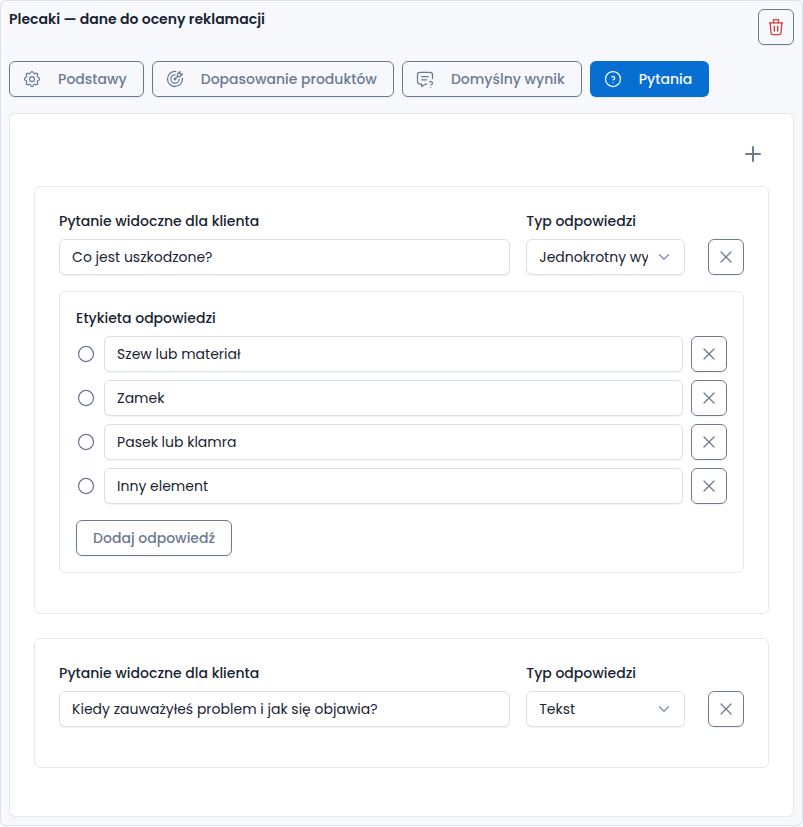
- Questions for selected products. With product-specific rules matched by SKU or EAN, you can ask for a serial number or about a specific part only for the products that need it. Product rules are not available for Allegro or the basic integration.
- Photos and phone video in the case. In a warranty claim, the customer can record a short video of the fault from their phone camera, and staff see the images next to the description and messages.
- Receiving by label scan. The warehouse finds the request by the shipment label number or the request QR code with label-based parcel identification, and shipment monitoring shows which parcels are on their way.
Grading, data wiping and the decision on the claim stay with your team. RetJet makes sure the information for that decision is already in the request.
For an overview of how RetJet fits stores with many returns, see stores in high-return industries.
FAQ
Can a store refuse a return because the box was opened?
In the EU, opening the packaging to check the product does not by itself remove the right of withdrawal. Exceptions exist, for example for sealed software or audio and video recordings once unsealed. A reduced refund may apply if the product was used beyond what was needed to check it.
Should a faulty device go through a return or a warranty claim?
It depends on what the customer wants and on the deadlines. Within 14 days they can usually choose either. After that, a fault is handled as a warranty claim. Let the customer choose the request type in the form, and explain the difference in one sentence.
Who is responsible for data left on a returned device?
The data belongs to the customer, but once the device is in your warehouse, you handle it. Wipe it before resale or repair, and record that you did.
Summary
Electronics returns need more steps than most categories: a serial number check, a test, a data wipe and a grading decision. Separate returns from claims at the start, collect the details in the first report, and record each step on the request, so the case moves without anyone repeating work.